
Environmental Site Assessments


Phase I Environmental Site Assessment
A Phase I Environmental Site Assessment (ESA) helps property buyers, lenders, investors, and owners identify potential environmental risks before completing a real estate transaction.
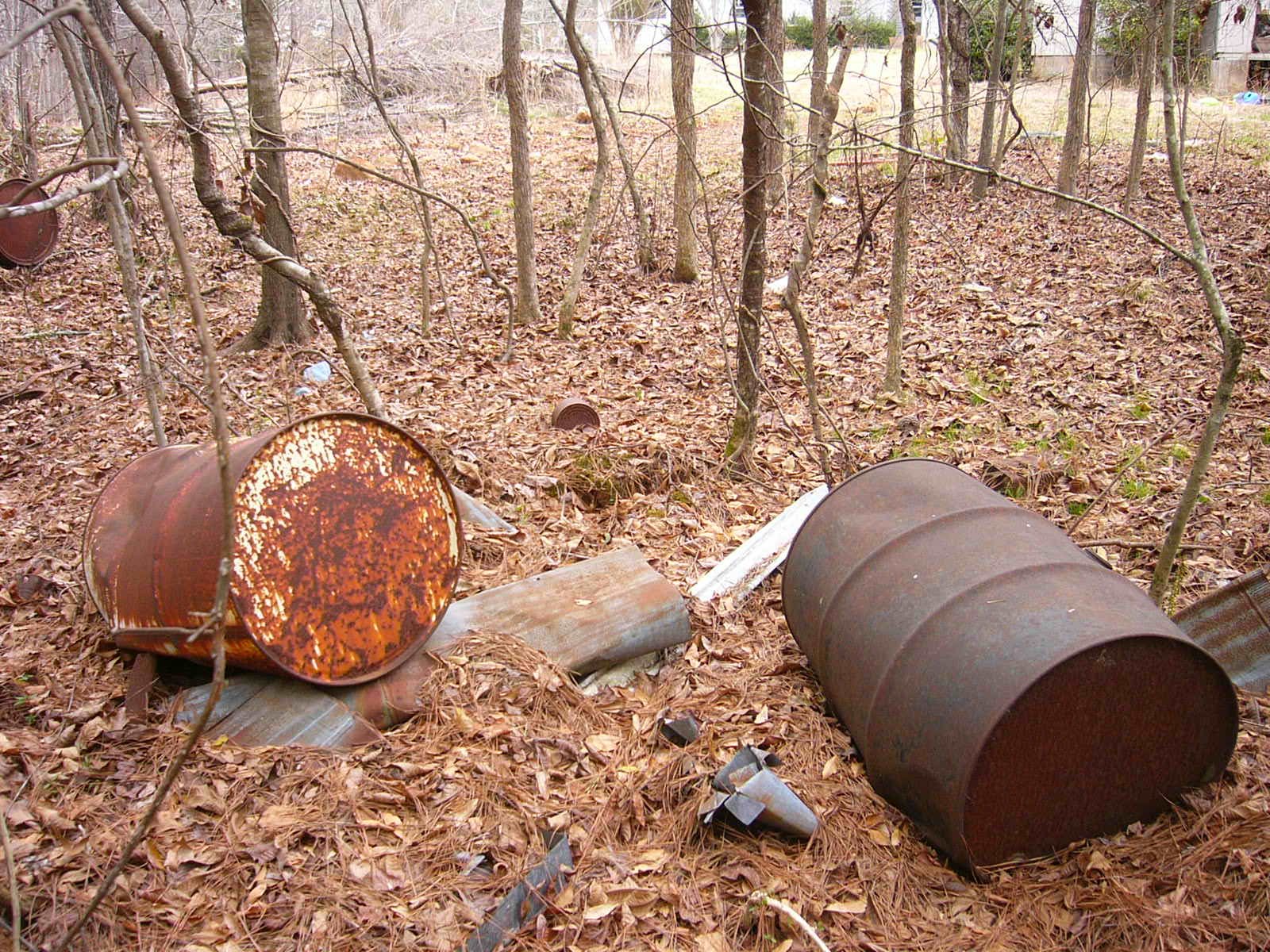
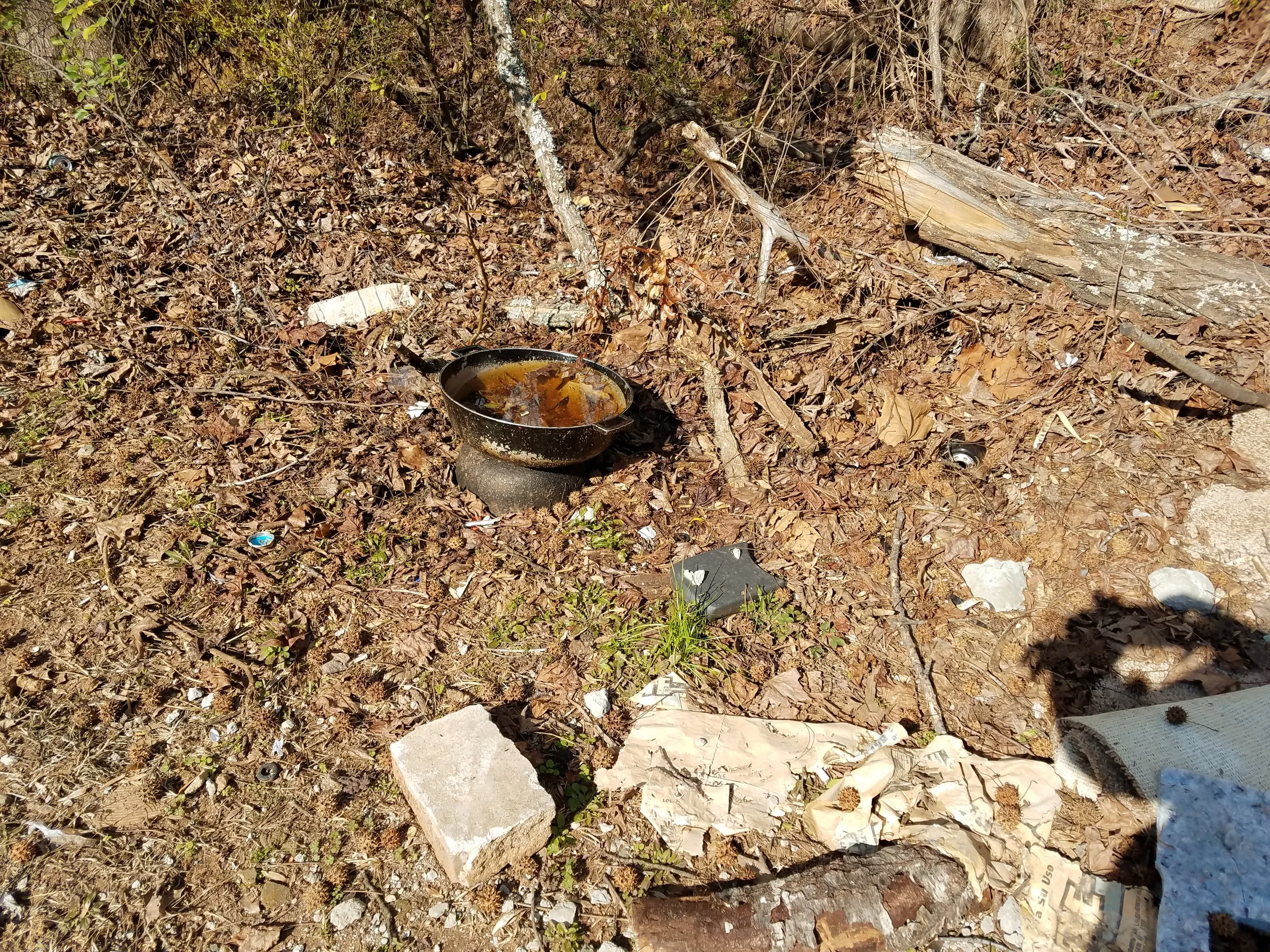
The assessment evaluates the property’s current and historical uses, surrounding properties, regulatory records, and observable site conditions to determine whether there is evidence of a recognized environmental condition that could indicate the presence or potential presence of hazardous substances or petroleum contamination.
A typical Phase I ESA includes:
Review of historical property records, aerial photographs, maps, and other available sources
Review of environmental regulatory databases
Evaluation of current and past property uses
Site reconnaissance by an experienced environmental professional
Interviews with owners, occupants, or other knowledgeable parties when appropriate
Identification of potential environmental concerns and recognized environmental conditions
A written report documenting findings and recommendations
Why a Phase I ESA Matters
Environmental contamination can create significant cleanup costs, financing complications, liability, and delays in a real estate transaction. A Phase I ESA provides the information needed to better understand these risks before you buy, finance, lease, or invest in a property.
If no significant environmental concerns are identified, the Phase I ESA can provide greater confidence in moving forward with the transaction. If potential contamination is identified, additional investigation—typically a Phase II Environmental Site Assessment—may be recommended.
Phase II Environmental Site Assessment
A Phase II Environmental Site Assessment takes environmental due diligence one step further by determining whether suspected contamination is actually present at a property.
While a Phase I ESA identifies potential environmental concerns through research and visual observations, a Phase II ESA typically involves physical testing and laboratory analysis.
Depending on the concerns identified, the investigation may include:
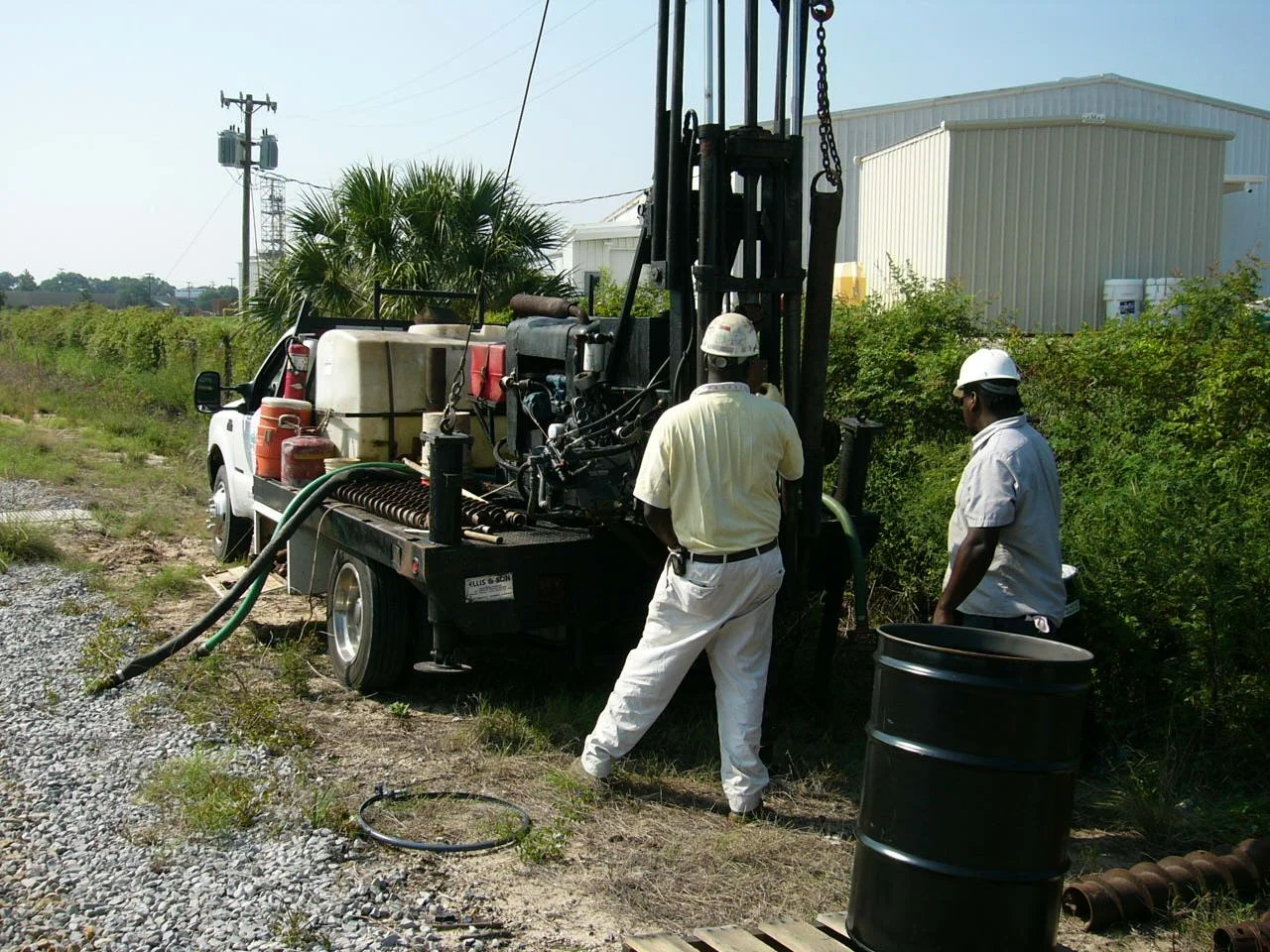
Soil sampling
Groundwater sampling
Soil-vapor or indoor-air testing
Sampling of suspected hazardous materials
Installation of temporary or permanent monitoring wells
Laboratory analysis for petroleum products, solvents, metals, or other contaminants
Evaluation of the location, concentration, and potential extent of contamination
The scope of a Phase II ESA is tailored to the specific conditions and concerns identified at the property.
Turning Environmental Questions Into Answers
Discovering a potential environmental issue during a Phase I ESA does not necessarily mean a property has a serious contamination problem. A Phase II investigation provides the objective laboratory data needed to determine whether contamination exists and how significant it may be.
The results can help buyers, owners, lenders, and investors make informed decisions regarding:
Property acquisition
Financing
Negotiation of purchase terms
Environmental liability
Additional investigation
Cleanup or remediation planning
Environmental Due Diligence Before You Invest
Environmental problems can be expensive—but identifying them early can help prevent costly surprises.
Our Phase I and Phase II Environmental Site Assessment services provide clients with clear, practical information about potential environmental risks so they can make better-informed real estate decisions.
Whether you are purchasing, refinancing, developing, or evaluating a commercial property, we help you understand what environmental concerns may exist and what steps, if any, should come next.
Request a Proposal
If you're interested, complete the form with a few details about your needs. We can usually return a proposal in 24 hours.